REVIEW · ZADAR
Zadar: Private walking tour through history and modern time
Book on GetYourGuide →Operated by Tomislav · Bookable on GetYourGuide
Two hours, and Zadar clicks. This private walking tour threads ancient Zadar at the Roman Forum with standout modern architecture like the Sea Organ and the Greeting to the Sun. It’s a focused, guide-led walk that helps you understand why this city matters, not just what’s there to photograph.
My favorite part is how the tour stays practical: you get an expert on the ground (Tomislav) who explains what you’re seeing and leaves room for questions. One consideration: tickets for churches and museums aren’t included unless you ask for a special stop, so if you’re set on visiting inside, you’ll want to plan for that.
In This Review
- Key Points You’ll Really Notice
- Zadar’s best 2-hour loop: Roman Forum to sea-side design
- Meeting at the Forum (and why the location matters)
- Stop by Stop: what the walk covers and why it’s worth your time
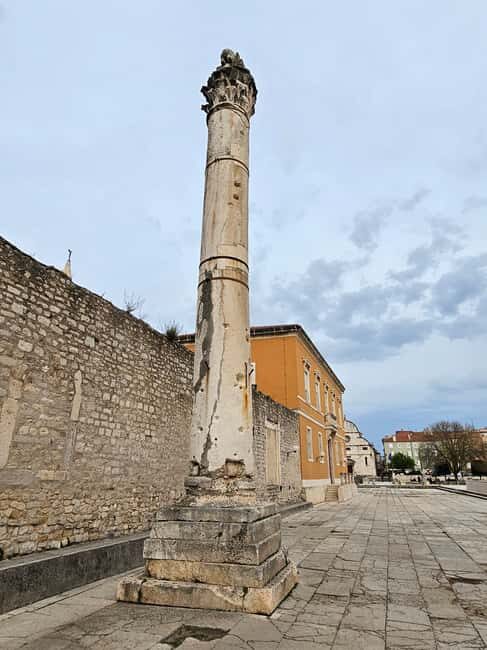
- Entering the Roman Forum (Rimski forum): the core of ancient Zadar
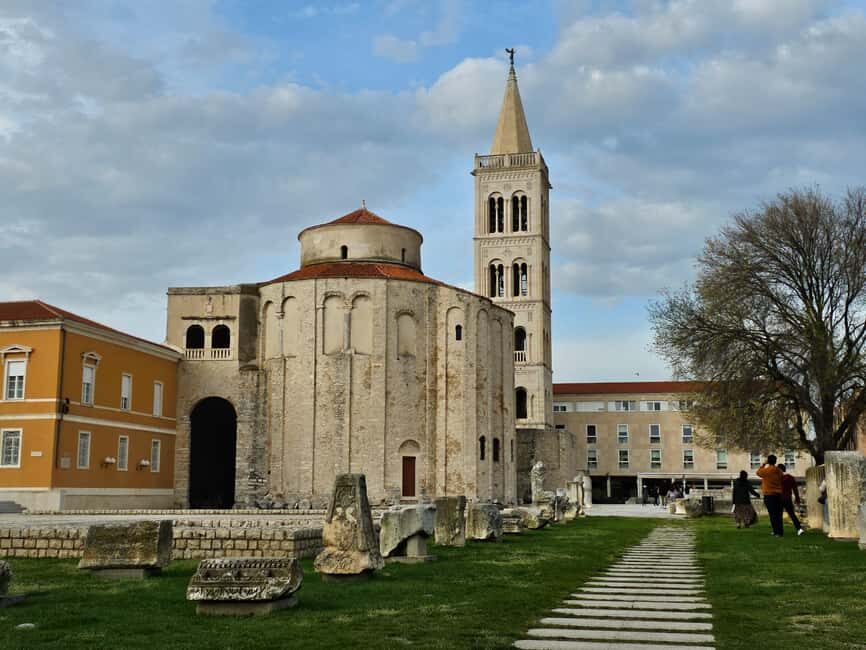
- St. Donat: the church that feels like a landmark from another planet
- St. Anastasia Church (Cathedral of St. Anastasia): Dalmatia’s biggest statement
- Kalelarga and the Five Wells Square: where the city actually meets
- Sea Organ and Greeting to the Sun: modern perls at the shoreline
- What you’ll learn (and why Tomislav’s style matters)
- Can the route change? Yes, based on your interests
- Price and value: $45 per person for a guided, question-friendly walk
- Who should book this (and who might want something else)
- Quick practical tips before you go
- Should you book this Zadar private walking tour?
- FAQ
- Where does the tour start?
- Where does the tour end?
- How long is the private walking tour?
- How much does it cost?
- Is a guide included?
- What languages is the tour offered in?
- Are museum and church tickets included?
- What should I bring?
- Is the tour wheelchair accessible?
- Can I cancel and get a full refund?
- Can I reserve now and pay later?
Key Points You’ll Really Notice
- Roman core first at the Forum, so you know where the story starts
- St. Donat (unique church) explained in plain terms, not as a random stop
- St. Anastasia Cathedral size and role in Dalmatia put into context
- Kalelarga and Five Wells Square as everyday city moments, not only sightseeing
- Sea Organ and Greeting to the Sun tied to how modern Zadar thinks about public space
- Tomislav adjusts the route if you want parks, museums, or slower pace for your interests
Zadar’s best 2-hour loop: Roman Forum to sea-side design
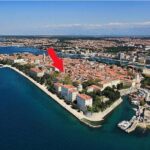
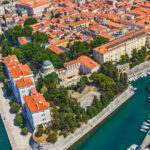
Zadar is famous for sea and sunsets, sure. But in a short walk, this tour shows you the real reason the city has always been important: it’s been an urban center for centuries, and it still thinks like one today. In two hours, you go from the Roman core into major churches, then finish at the water where modern design takes over.
What I like about this format is the balance. You’re not stuck in a single time period. You’re moving between eras with a certified guide who can connect the dots between what used to drive the city and what now shapes its identity.
Also, Zadar is easy to explore on foot, and this tour leans into that. You get the benefits of walking—fresh air, short views, quick orientation—without trying to force the entire city into one day.
Other Zadar Old Town walking tours we've reviewed in Zadar


Meeting at the Forum (and why the location matters)
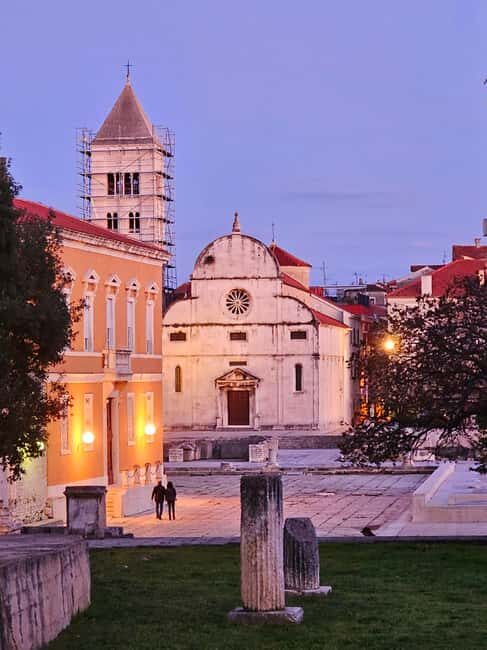
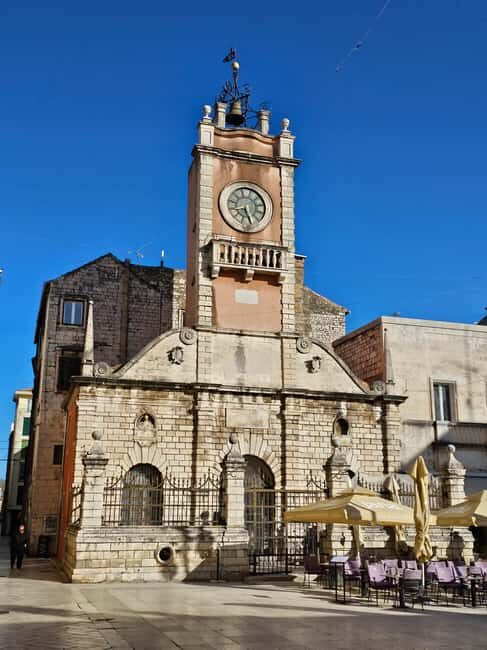
You start at the Roman Forum area (Rimski forum), and the meeting point is by the Saint Mary church on the left side when facing the sea, next to the Archaeological museum. That setup is clever because the Forum isn’t just another landmark—it’s the anchor that helps everything else click.
Starting here means you begin with the city’s “center of gravity.” Even if you don’t know Zadar’s history yet, you’ll learn how the ancient layout shaped where people built, worshiped, and gathered. It also keeps the pace logical: after the Forum, the walk can naturally fan out toward the churches in the center and then down toward the waterfront.
If you’re wondering how to handle the start, keep it simple:
- Be on time. The meeting point is specific.
- Bring a bottle of water. Two hours on your feet adds up.
Stop by Stop: what the walk covers and why it’s worth your time
Entering the Roman Forum (Rimski forum): the core of ancient Zadar
The tour begins right where you’d expect to start if you want context: at the Forum, the core of ancient Zadar. This isn’t just “old stones.” It’s the stage where public life happened—where power, trade, and civic identity would have been felt.
With a guide like Tomislav, you’re not left reading the city like a crossword puzzle. You’ll get explanations for what you see and what it would have meant. That’s especially valuable in Zadar because the city layers are obvious if you know what to look for, and easy to miss if you don’t.
I also like that the Forum sets an honest tone for the whole tour. You’re learning the why, not just ticking sites.
St. Donat: the church that feels like a landmark from another planet
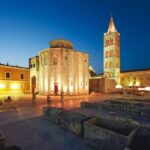
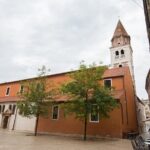
Next up is St. Donat, the famous church that’s often described as unique in the world. Even if you’ve only seen it from a distance, it has that “wait, what am I looking at” feel. The guide helps you understand why it looks the way it does and why it became such a memorable symbol for the city.
This stop is valuable because St. Donat isn’t a generic church visit. It’s a distinctive silhouette tied to Zadar’s long timeline. Tomislav’s job is to translate that distinctiveness into something you can hold in your head, so it doesn’t become just another photo spot.
If you like architecture, you’ll probably enjoy this part more than you expect. And if you don’t, the guide’s explanations should make it easier to care.
Other walking tours we've reviewed in Zadar




St. Anastasia Church (Cathedral of St. Anastasia): Dalmatia’s biggest statement
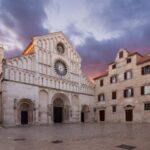
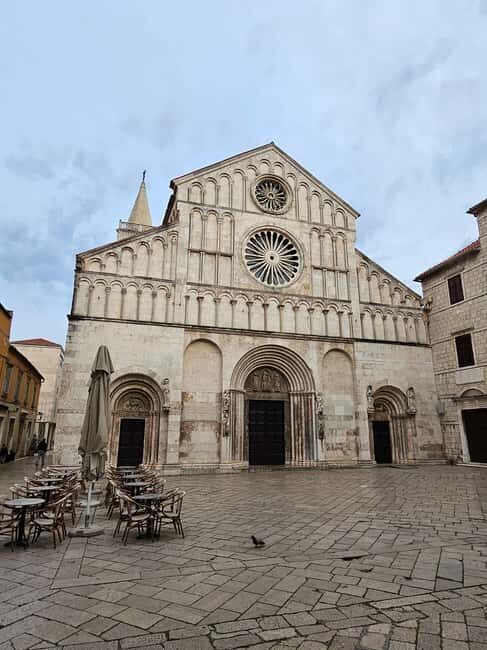
The walk also includes the Saint Anastasia Church, described as the biggest cathedral in Dalmatia. That’s a big claim, and the reason it matters on this tour is scale. When you see a major cathedral in person, it changes how you understand the city’s religious and cultural role.
This stop works well because it complements St. Donat. One feels distinctive and strange in its own way; the other signals grandeur and importance. With both in the same guided walk, you get contrast without the tour feeling random.
One practical note: depending on what you ask for, church interiors may require tickets. Tickets aren’t included unless you request museum/church visits by special request. So if you want to go inside, ask the guide about it early in the tour.
Kalelarga and the Five Wells Square: where the city actually meets
The Broad Street (Kalelarga) and the Five Well square round out the city-center feel. This is where Zadar stops being only history and becomes a lived-in place again.
Kalelarga is the kind of street that helps you orient. You see how people move through the center, and you get the sense that the city still runs on gathering spaces. The Five Well square adds a neat detail level: it’s memorable enough to anchor the walk, but not so “museum-like” that you feel stuck in one viewpoint.
I like these stops because they’re good for people who don’t want every minute to be about monuments. They make the tour feel like a real walk through town—especially helpful if you only have a day or two in Zadar.
Sea Organ and Greeting to the Sun: modern perls at the shoreline
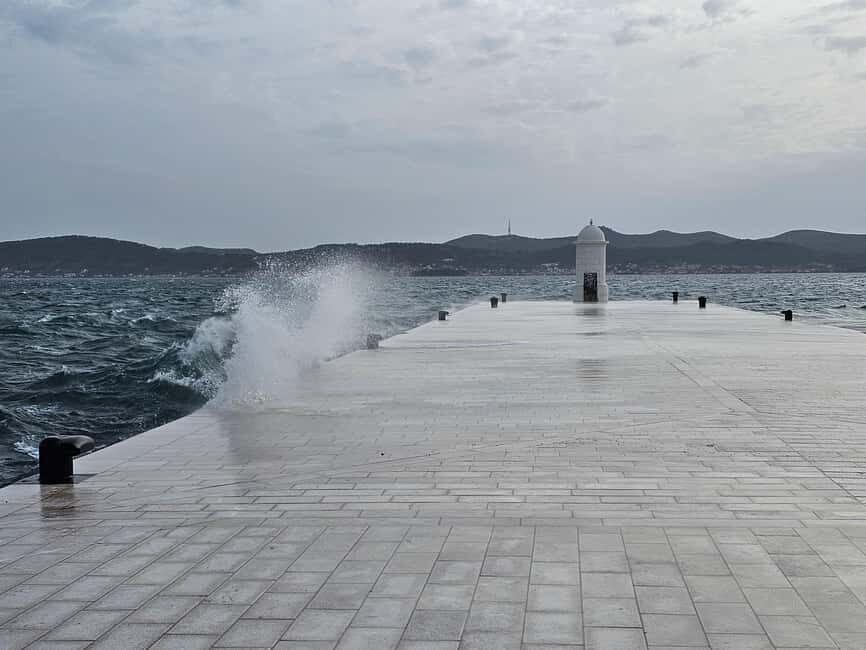
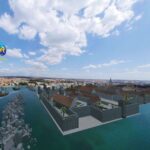
Then comes the payoff that most people associate with Zadar: the Sea Organ and the Greeting to the Sun. The Sea Organ is a piece of modern architecture that turns the waterfront into something you experience, not just look at. The Greeting to the Sun does something similar, turning a sunset moment into a designed event.
These two stops matter because they show Zadar’s modern thinking about public space. Instead of treating the sea as only scenery, the city treats it like part of the show. That’s why these places land so well at the end of the walk: by the time you reach the water, you’re ready for a different mood shift—from historic core to contemporary coastal design.
It’s also an easy way to end the tour with something visual and memorable, without needing extra ticketed attractions.
What you’ll learn (and why Tomislav’s style matters)
The tour is guided by Tomislav, a certified guide who’s described as friendly and comfortable explaining both older and more recent history. That matters because Zadar doesn’t stay in ancient times. Even the modern architecture has reasons behind it.
A big praised aspect is the guide’s question-friendly approach. You’re not rushed through like a slideshow. If something catches your eye—an architectural detail, a street layout question, a history point you didn’t expect—you can ask. And Tomislav also gives tips for your stay, which is the kind of practical bonus that helps you spend the rest of your trip better.
From my point of view, that’s the difference between a “site list” tour and a guide-led walk. You’ll leave with mental connections, not just a handful of names.
Can the route change? Yes, based on your interests
One of the best things about this tour is flexibility. Depending on your interests, the route can be tailored to include things like popular parks or a stop by a museum to look at exhibitions.
That flexibility is practical if you:
- Prefer more time in outdoor areas
- Want a quick museum context without dedicating a full afternoon
- Have specific questions about religious sites or city development
Just keep in mind that museum and church tickets aren’t included unless you ask for special visits. So if you’re tailoring your day, it’s worth planning ahead for any entry costs.
Price and value: $45 per person for a guided, question-friendly walk
At $45 per person for about 2 hours, the value mostly comes from two things: you’re paying for a certified local guide and a tight walk that covers major highlights without you needing to sort the details yourself.
If you were to “DIY” Zadar, you could certainly visit St. Donat, St. Anastasia, Kalelarga, and the waterfront on your own. The question is what you’d miss: the explanations that make the buildings and squares feel meaningful, plus the way the walk connects older and more recent history.
This tour also works well because it’s not trying to be too long. Two hours is enough time to see the key sites and ask questions, but not so long that you feel worn out before you even begin your day.
Who should book this (and who might want something else)
This tour fits best if you want:
- A guided orientation to central Zadar
- Big highlights without spending hours hopping between far-apart places
- Someone local to explain both ancient and modern parts of the city
- A format that’s comfortable for questions and conversation
It may be less ideal if you want a heavy deep-dive into one museum or one specific time period. The walk is designed to cover a meaningful loop, not to replace a full day of independent exploring or multi-stop ticketed attractions.
Also, since the churches and museums may require extra tickets, it’s a good idea to think about your priorities. If you want lots of interior time, plan to request those stops.
Quick practical tips before you go
- Bring water. The walk is short, but you’ll still feel it.
- Wear comfortable shoes. Zadar’s center is walkable, but you’ll move at a steady pace.
- Check availability for starting times and pick one that fits your plans.
- The guide speaks Croatian, English, and German, so you can match your comfort level.
Wheelchair accessibility is supported, which is a big plus for mobility planning.
Should you book this Zadar private walking tour?
If you like your time in a new city guided by a real person who can explain what you’re looking at, I’d book it. This one has a strong advantage: it connects the Roman Forum with the major churches and then ends with modern waterfront architecture, all in one coherent loop.
Book it if:
- You want the highlights plus context
- You value a friendly, question-friendly guide
- You’re aiming for a smart use of a half-day in Zadar
Skip it or pair it with other plans if:
- You’re planning to spend lots of time inside multiple museums and churches (tickets aren’t included unless requested)
- You want a long, slow day with no structured loop
Overall, this is an efficient way to get oriented and understand why Zadar still feels like a working city, not only an open-air photo set.
FAQ
Where does the tour start?
You meet in front of the Saint Mary church on the Forum, on the left side when facing the sea, next to the Archaeological museum.
Where does the tour end?
The tour ends back at the same Forum meeting point.
How long is the private walking tour?
It lasts about 2 hours.
How much does it cost?
The price is $45 per person.
Is a guide included?
Yes. The tour includes a walking tour with a certified tour guide (Tomislav).
What languages is the tour offered in?
The guide is available in Croatian, English, and German.
Are museum and church tickets included?
No. Tickets to museums and churches are not included unless you request special visits.
What should I bring?
Bring water.
Is the tour wheelchair accessible?
Yes, it is wheelchair accessible.
Can I cancel and get a full refund?
Yes. You can cancel up to 24 hours in advance for a full refund.
Can I reserve now and pay later?
Yes. The option is reserve now & pay later.