REVIEW · ZADAR
Zadar: Private Walking Tour Through 3,000 Years of History
Book on GetYourGuide →Operated by Magic Croatia trips and tours · Bookable on GetYourGuide
3,000 years of Zadar, on foot. This private walk is a smart way to connect the city’s Roman roots, Venetian defenses, and today’s iconic waterfront art in just two hours, with a licensed local guide who keeps the story moving. I especially like the mix of major landmarks (St. Donat, the Cathedral, Kalelarga) and the two must-see sounds-and-light stops by the sea. One thing to factor in: you’ll need to cover shoulders and knees for church entrances, and the maraschino tasting is only for participants allowed to drink by law.
If you want a well-paced overview without hunting for meaning on your own, this is built for that. You’ll walk the old town streets, learn how Zadar stayed important across empires, and then finish where modern design turns the ocean into music.
The trade-off is simple: it’s a walking tour, so comfy shoes matter. Bring water, and don’t plan on lingering forever at every stop unless you’re ready to pace yourself with your guide.
In This Review
- Key highlights you’ll feel on this walk
- Zadar in Two Hours: How the Route Tells a Whole Story
- Starting at Sea Gate: Easy meeting point, and what to bring
- Roman Forum and a City Built for Social Life
- Venetian Walls, Ottoman Fears, and the Port of Fosa
- Kalelarga: Zadar’s Main Street as the City’s Spine
- St. Donat and Zadar Cathedral: Icons You Can’t Miss
- Riva Promenade: Sea Organ and Greeting to the Sun
- Maraschino Liqueur Tasting: A Local Finish with Old Roots
- Price and value: $288 per group up to 15 people
- Who should book this private Zadar walk
- What I’d do to get the most out of it
- Should you book: the short decision guide
- FAQ
- FAQ
- How long is the Zadar private walking tour?
- How much does the tour cost?
- Is this a private tour or shared?
- What’s included in the price?
- What is not included?
- Where do I meet the guide?
- Which languages are available for the live guide?
- Is the tour wheelchair accessible?
- Do I need to dress a certain way for churches?
- Is the maraschino liqueur tasting available to everyone?
Key highlights you’ll feel on this walk
- A private guide for real Q&A, not just a headset tour voice
- Roman Forum + Venetian walls: big-power history, explained at street level
- Kalelarga and Zadar’s church icons: the city’s recognizable heart in one route
- Sea Organ and Greeting to the Sun: art installations you can experience, not just see
- Maraschino liqueur tasting: a local 16th-century-style finish to the tour
Zadar in Two Hours: How the Route Tells a Whole Story
Zadar’s one of those places where you can’t really separate “old” from “new.” The city’s been inhabited since about 1000 BC, then became a Roman colony in the 1st century. Later, it was the capital of Dalmatia after the fall of the Western Roman Empire, and it stayed important all the way until the end of the First World War.
That’s why this tour works. You start with the kind of civic spaces Romans built for everyday social life, then move to the later defensive layer when Zadar had to protect itself. After that, you stroll through the street that still feels like the city center, and you end with the waterfront, where modern installations use the sea itself as the instrument.
Other Zadar Old Town walking tours we've reviewed in Zadar


Starting at Sea Gate: Easy meeting point, and what to bring
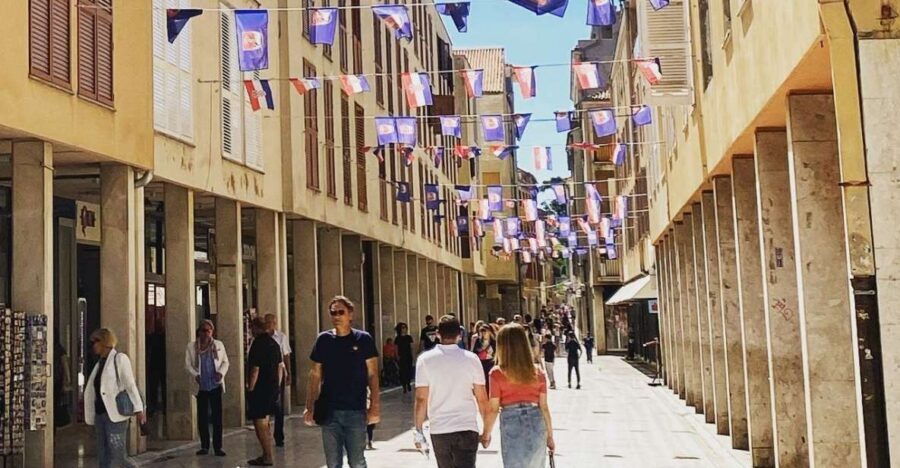
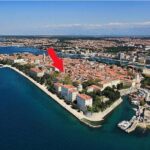
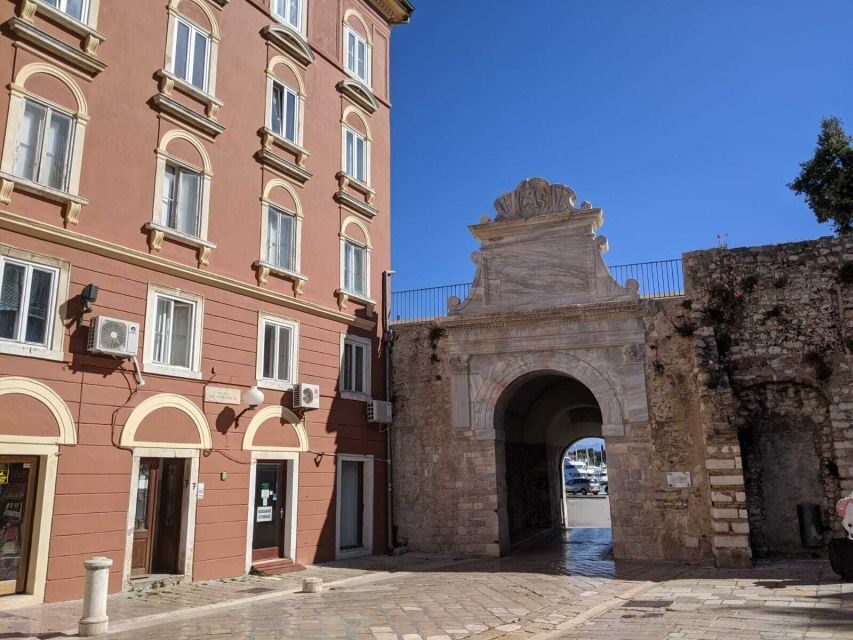
You meet at a souvenir shop in a red building right next to the Sea Gate, at Poljana Pape Aleksandra III 7, 23000 Zadar. It’s a handy location because it immediately places you near the old town edge and the promenade area you’ll connect to later.
For the basics, plan on:
- Comfortable shoes (you’re walking old-town streets for the full 2 hours)
- Water
- Passport or ID card
- And yes, for church stops: cover your knees and shoulders
Also, note the tour doesn’t include pickup or drop-off. So if you’re staying outside the old town, plan to get to the Sea Gate area on your own.
Roman Forum and a City Built for Social Life
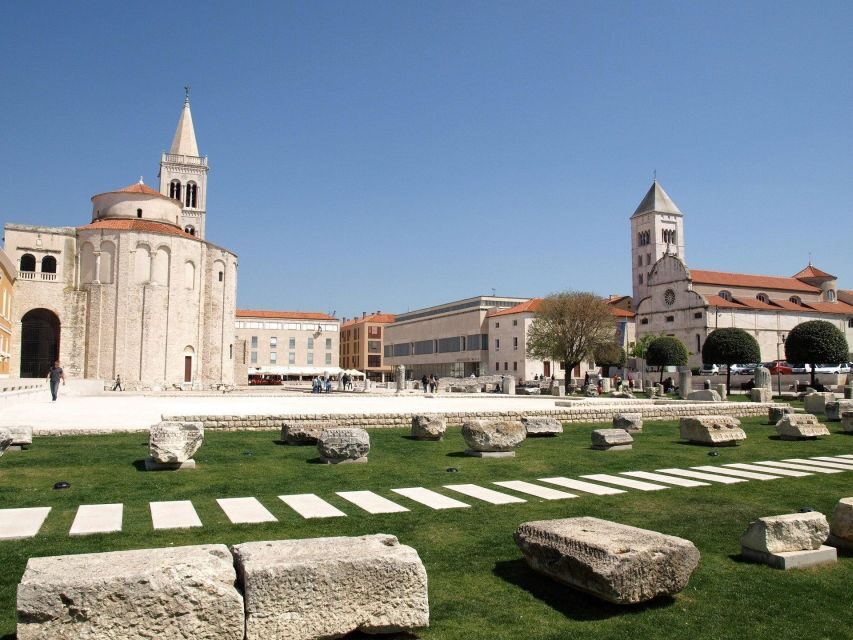
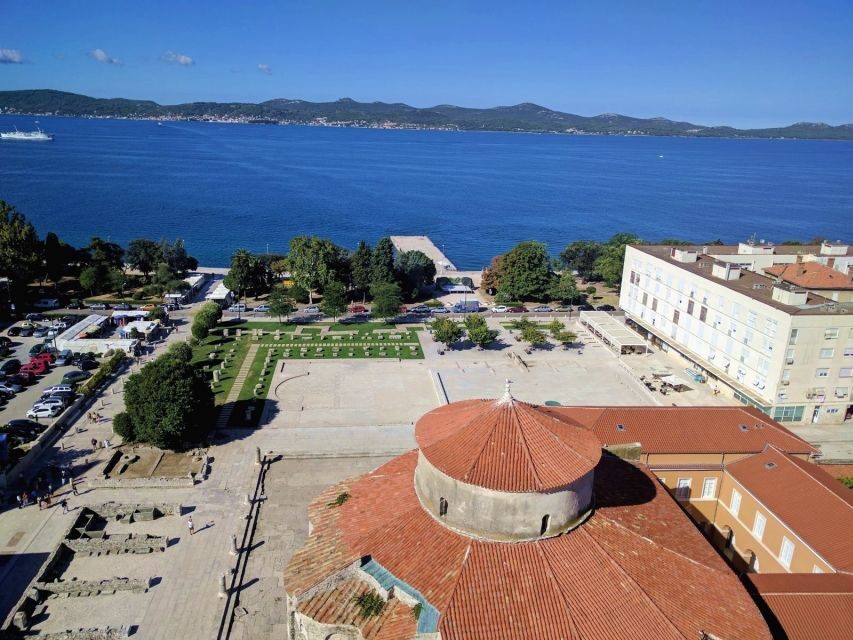
One of the best parts of this walk is how quickly it gets you from dates and names into the physical layout of the city. You’ll see remains of the Roman Forum, described as the biggest one built in Croatia. Even if you’re standing around fragments instead of a fully reconstructed scene, the guide’s job is to help you picture what the space used to do.
A Roman forum wasn’t just “government stuff.” It was the center of social life: people met, traded, discussed, and basically ran the day-to-day rhythm of urban life. Walking past what’s left and understanding the forum’s purpose makes Zadar feel less like a stop on a map and more like a living machine that kept getting rebuilt.
Practical note: since you’re outdoors most of the time, it’s worth dressing for the weather and keeping your water handy. The tour lasts 2 hours, so you’ll want to stay comfortable enough to listen closely.
Venetian Walls, Ottoman Fears, and the Port of Fosa
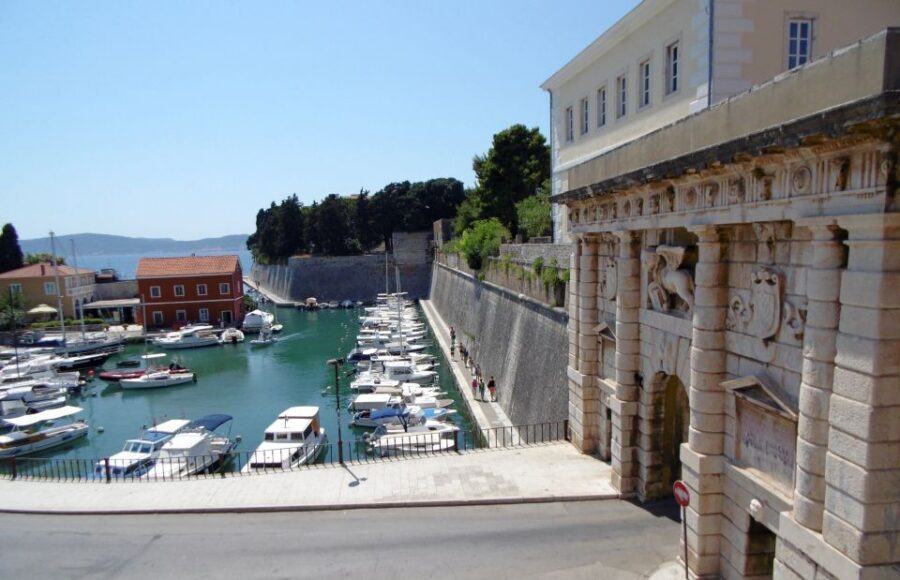
After the Roman layer, the tour pivots to defense and politics. You’ll hear the story of the defensive walls the Venetian Republic built in the 16th century, specifically as protection against the Ottomans. This kind of detail matters because it explains why architecture and fortifications ended up where they did, instead of treating them like random scenic backdrops.
From there, you move toward the port of Fosa, including the Land Gate. Ports are where commerce and contact happen, and in a coastal city like Zadar, that means strategic importance. The guide ties together how Zadar’s location and power shifted over centuries, so the walls and gates don’t feel like isolated photo spots.
What I like here: the walk stays balanced. You get civic life (Roman Forum), then you get the survival mode (Venetian walls), then you get the coastal connector (Fosa port and Land Gate). It’s a clean way to track how a city adapts.
Kalelarga: Zadar’s Main Street as the City’s Spine
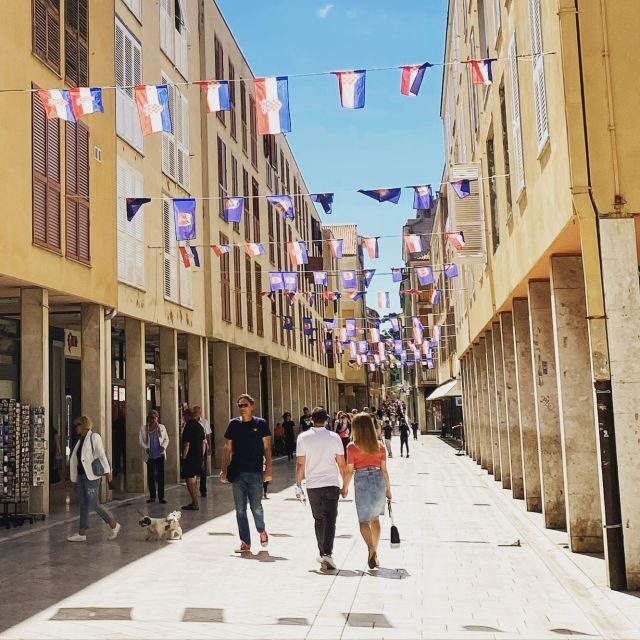
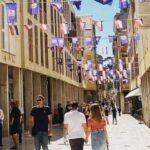
Then comes Kalelarga, the main and most famous street in Zadar’s old town. It’s the kind of place where the stones and layout tell you how people moved, shopped, and gathered before cars were a thing.
This stop is more than a “look here” moment. When you understand what came before—Roman centrality and later defensive needs—Kalelarga starts to read like the city’s spine. It’s where the story becomes human scale again. You’re not just seeing dates; you’re walking through the space that likely shaped everyday life for generations.
A good tip for this part: keep a little mental space for the guide’s explanations. Kalelarga can be visually busy, so the best payoff comes when you listen and walk at the same time.
Other walking tours we've reviewed in Zadar



St. Donat and Zadar Cathedral: Icons You Can’t Miss
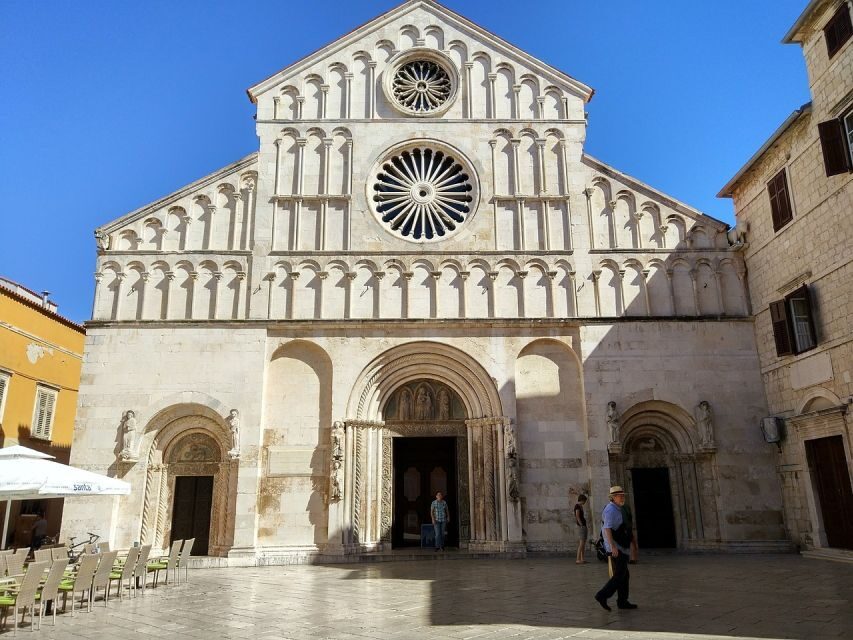
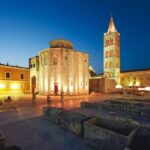
Next, you’ll stand in front of the Church of St. Donat, one of Zadar’s symbols. The tour frames it as a landmark you recognize from afar, but the real value is in what the guide helps you understand about why it matters in the city’s visual identity.
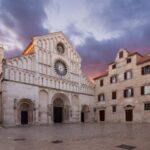
Then you’ll see Zadar Cathedral, dedicated to St. Anastasia. Cathedrals tend to be the big story anchors in European cities, and here you’ll likely get a clear sense of how Zadar’s identity also took shape through religious architecture.
One practical consideration: churches have dress rules. You’ll need to cover shoulders and knees to enter. If you’re caught with the wrong clothes, it can shrink your time inside. So pack something light you can pull on easily.
Riva Promenade: Sea Organ and Greeting to the Sun
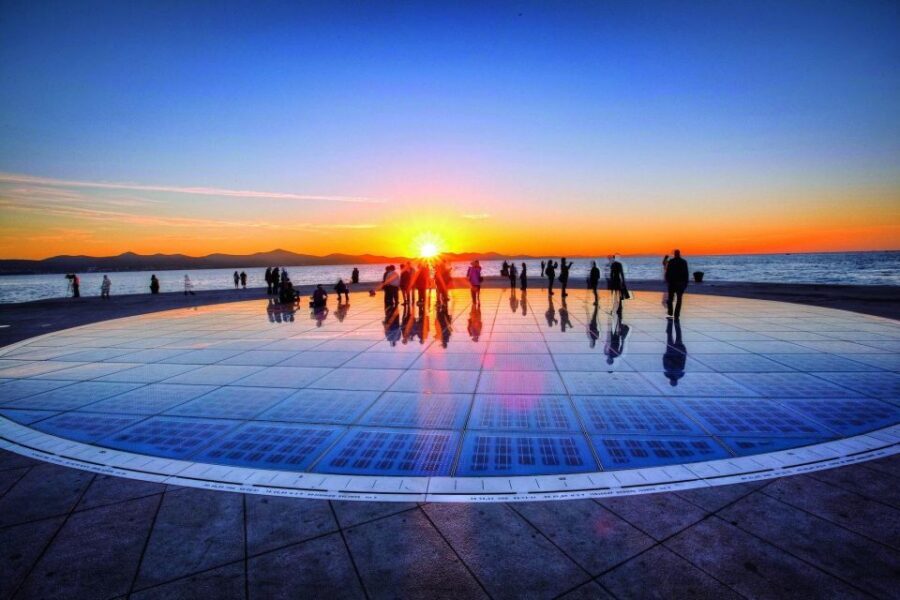
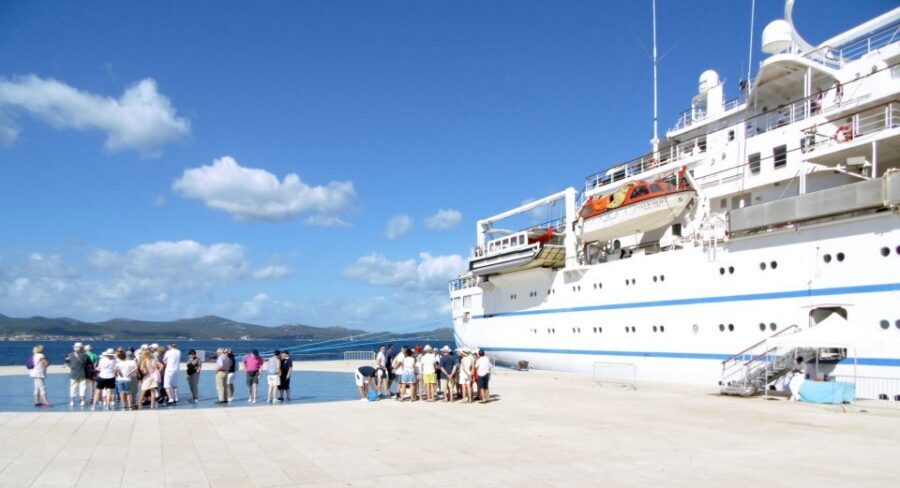
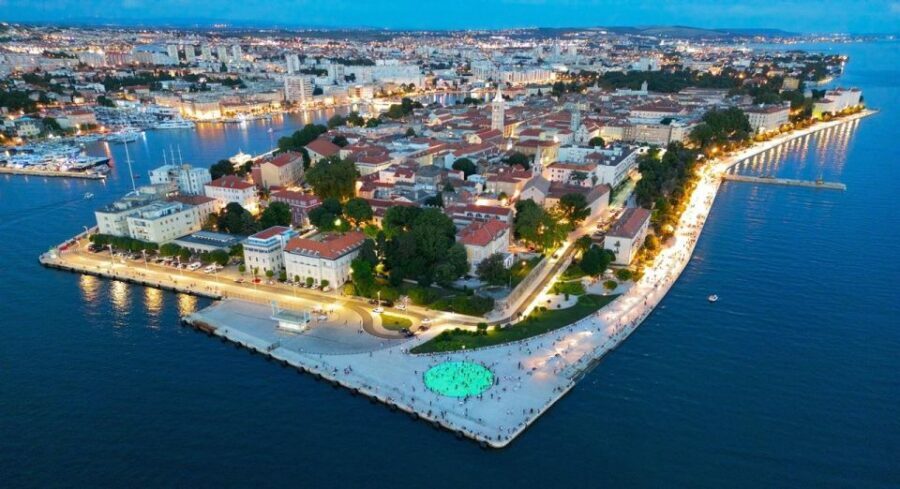
Now you get the payoff for being patient through the older layers. At the Riva promenade, you’ll reach two of Zadar’s headline installations: the Sea Organ and the Greeting to the Sun.
Here’s the key: these aren’t just “pretty art.” You’ll learn how the Sea Organ produces unique music from the movement of the sea, and you’ll hear what makes the sound special. Even if you’re not an audio nerd, it’s one of those experiences that changes the way you perceive the waterfront. The ocean becomes the performer.
Then the tour connects that sound-driven idea to Greeting to the Sun, the light-and-art installation designed around the sun. The guide will explain the most interesting facts about these modern pieces so you don’t just see them, you understand what you’re seeing.
My practical advice: linger long enough to take in the details, but don’t plan to rush. The whole point is that they work differently than typical monuments. You may want to pause for a minute and let the sound and light settle into your brain before moving on.
Maraschino Liqueur Tasting: A Local Finish with Old Roots
To close the tour, you taste maraschino cherry liqueur. The recipe is described as dating to the 16th century, which is a great way to end a walk that starts in ancient civic life and moves through centuries of power.
This is one of those “small but smart” inclusions. A tasting gives you an immediate, local sensory memory to tie to what you’ve learned. It’s also good value because it replaces the temptation to hunt down a drink after your walk.
Important: the liqueur tasting is only served to participants allowed by law to consume alcohol. If you’re not able to have it, you’ll still be part of the experience; the tour just won’t serve the drink to you.
Price and value: $288 per group up to 15 people
The price is $288 per group for up to 15 people, and the tour runs 2 hours. That pricing matters because it can be either a great deal or a very personal deal, depending on group size.
- If your group is closer to the maximum (near 15), the per-person cost becomes reasonable fast.
- If it’s just you and a partner, it’s pricier, but you’re paying for the private format and a guide to keep the pacing and interest aligned with your questions.
What makes it feel worth it is the private guide plus the fact that the route hits both high-recognition sights and “why it mattered” context. Many tours can show you landmarks. Fewer do a convincing job of explaining why Zadar kept changing hands and still remained a center of regional importance.
Also, the languages offered are broad: French, Italian, Spanish, English, German, Polish, and Croatian. If English (or another supported language) is important for you, this is one less uncertainty.
Who should book this private Zadar walk
I’d point you toward this tour if:
- You’re in Zadar for a short stay and want a clear overview in 2 hours
- You like your history tied to real places you can stand in
- You want a private guide who can explain at your speed
- You’re interested in both classic landmarks and modern waterfront installations
This may be less ideal if:
- You don’t like walking and want a totally museum-style experience
- You want a deep museum-level history session, not a city-route story
- You’re not able to follow church dress rules (knees and shoulders)
What I’d do to get the most out of it
A few small choices can make the tour feel twice as good.
First, wear shoes you can walk in for the full 2 hours without thinking. Second, keep water accessible so you’re not losing attention to thirst or fatigue. Third, before you arrive, plan to dress for church entry. That way you spend time inside when the tour reaches those stops, not outside negotiating sleeves and hems.
Lastly, treat the Sea Organ and Greeting to the Sun as the finale, not a quick photo stop. The guide’s explanation is part of the magic here, and it makes the installations land harder.
Should you book: the short decision guide
If you want an efficient, story-driven Zadar experience that pairs Roman and Venetian history with the city’s signature waterfront art, this is a strong choice. The private format means you get real human explanations, and the guide-led flow helps you connect the dots instead of just collecting images.
Book it if you value context, you’re comfortable walking, and you want a memorable ending at the sea. I’d skip it only if you need lots more time at museums or you’re not able to meet the church entry dress requirements.
FAQ
FAQ
How long is the Zadar private walking tour?
The tour lasts 2 hours.
How much does the tour cost?
The price is $288 per group, up to 15 people.
Is this a private tour or shared?
It’s a private group walking tour.
What’s included in the price?
A licensed local guide, the private walking tour, and a maraschino liqueur tasting.
What is not included?
Pickup and drop-off are not included.
Where do I meet the guide?
Meet at a souvenir shop in a red building next to the Sea Gate, at Poljana Pape Aleksandra III 7, 23000 Zadar, Croatia.
Which languages are available for the live guide?
French, Italian, Spanish, English, German, Polish, Croatian.
Is the tour wheelchair accessible?
Yes, it’s listed as wheelchair accessible.
Do I need to dress a certain way for churches?
Yes. You will have to cover your knees and shoulders when entering the church.
Is the maraschino liqueur tasting available to everyone?
Maraschino liqueur is only served to participants who are allowed by law to consume alcohol.
If you want, tell me your travel dates and how many people are in your group, and I’ll help you sanity-check whether this private price is likely to feel like a win for you.