REVIEW · ZADAR
Zadar Private Walking Tour: German
Book on GetYourGuide →Operated by Luca, obrt za turizam · Bookable on GetYourGuide
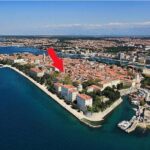
Zadar speaks in centuries. This private German walking tour strings 2000 years together, from Roman-era traces to the modern Sea Organ and Greeting to the Sun installations, with Q&A built in so you can ask anything. The one catch: entry to the Cathedral of St. Anastasia and St. Donatus Church isn’t included, so you may need to budget a little extra if you want inside.
I like how focused it is for a 1.5-hour visit. You start at Ulica Nova vrata, then get a guided route across the old town’s key landmarks while your German-speaking guide (Martina is mentioned in the best feedback) keeps the explanations clear and fun. One more thought: it’s a walking tour, so comfy shoes matter, even if the pace is guided and adjustable.
If you want Zadar to make sense fast, this is a smart way to do it. You’ll pass the kinds of places you’d otherwise see as a photo stop, but you’ll also hear the stories behind them and how locals think about the city today. And if you have a specific interest, the walk can be shaped around it—one guest even mentioned a spontaneous request for a Maraschino tasting being handled well.
In This Review
- Key highlights worth your time
- Why a 1.5-hour private tour is a good way to see Zadar
- Ulica Nova vrata to the Zadar City Walls UNESCO fortifications
- Cathedral of St. Anastasia, then Greeting to the Sun and Sea Organ
- Roman Forum and Church of St. Donatus: seeing the layers
- Široka ulica, People’s Square, and the churches and squares around 5 Wells
- Finishing at Land Gate: closing the loop on the old town
- Guide experience in German: what you can ask and how customization helps
- Price and value for a German private guide in Zadar
- Who should book this tour
- Should you book this Zadar Private Walking Tour in German?
- FAQ
- What is the duration of the Zadar private walking tour in German?
- How much does the tour cost?
- Is this a private tour?
- What language is the guide?
- Where does the tour start?
- Which stops are included?
- Are entry tickets included for the cathedral and St. Donatus Church?
- Is the tour wheelchair accessible?
- Can the route be customized?
- What’s the cancellation policy?
Key highlights worth your time
- A tight 90-minute route that covers the main beats without feeling rushed
- German-only guiding with Martina-level enthusiasm and easy-to-follow storytelling
- UNESCO-listed City Walls from the 16th century, not just a quick glance
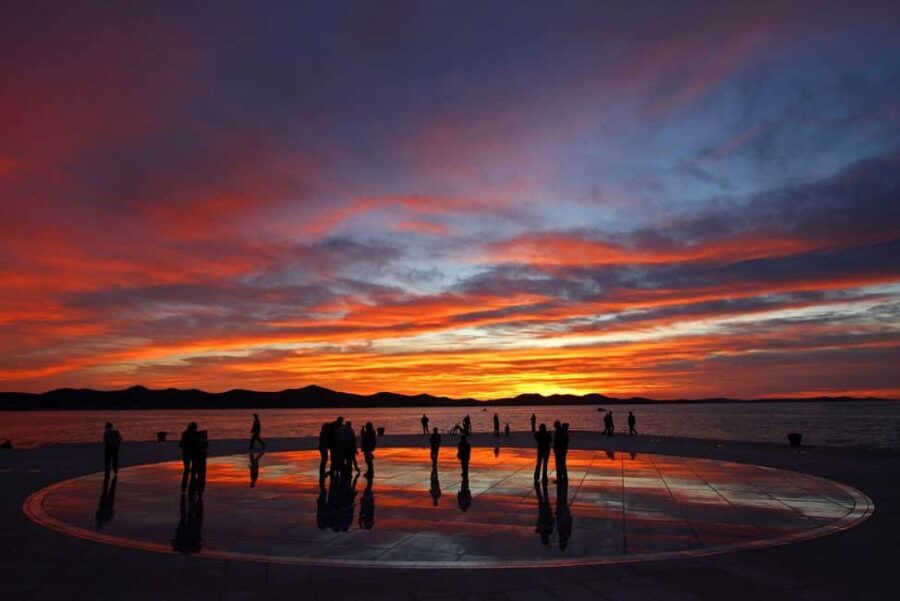
- Sea Organ and Greeting to the Sun as the modern anchor points of the walk
- Roman Forum to everyday streets so the city feels lived-in, not frozen in postcards
- Maraschino tasting support if it fits your interests
Why a 1.5-hour private tour is a good way to see Zadar
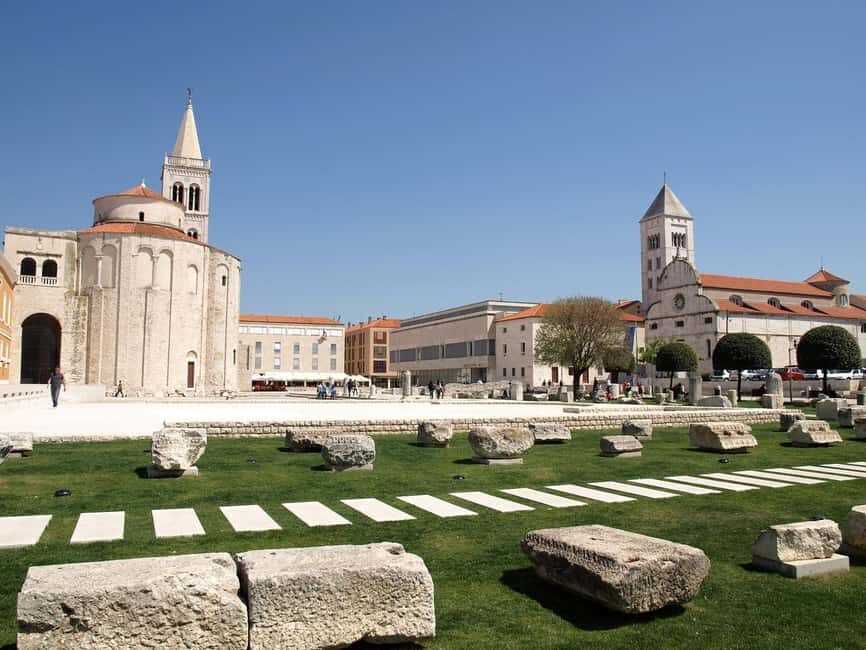
Zadar is small enough to walk, but old enough to be confusing if you don’t have context. This tour is built to solve that. In about 90 minutes, you get a guided thread that moves through time: Roman remains, religious landmarks, and then modern art installations that sound and light up the waterfront story.
With a private group (priced for up to 10 people), the value comes from flexibility. You’re not waiting for a big group to gather, and you can spend a moment on the detail you care about—architecture, city planning, or local lifestyle questions. For families, couples, and small friend groups, that control is often what makes the price feel fair.
One practical note: because the Cathedral of St. Anastasia and St. Donatus Church entry aren’t included, you should decide in advance whether you want inside visits. If your top priority is walking the exterior landmarks and getting the stories, you’re set. If you want interiors too, plan for tickets.
Other Zadar Old Town walking tours we've reviewed in Zadar


Ulica Nova vrata to the Zadar City Walls UNESCO fortifications
You’ll start on Ulica Nova vrata, a solid meeting choice that’s described as easy to reach. That matters more than people think. When the first stop is simple to find, the whole tour feels calmer.
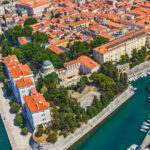
From there, the route moves into the area of the City Walls, described as 16th-century fortifications and recognized as a UNESCO monument. This is where you start learning how the city defended itself and how that shape still affects the walk you’re taking now.
What I like about starting with the walls is logic. Instead of treating Zadar as a list of monuments, you’re first shown the city’s “frame.” Once you understand the fortification idea, later stops—gates, squares, and the layout of the old town—make more sense.
A small consideration: walls and fortification viewpoints can mean more uneven ground than you’d expect from a center-street stroll. If you’re traveling with limited mobility, it’s worth noting the tour is listed as wheelchair accessible, but you should still be ready for a little real-world terrain.
Cathedral of St. Anastasia, then Greeting to the Sun and Sea Organ
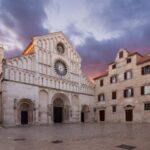
Next comes the Cathedral of St. Anastasia, one of the signature sights people associate with Zadar’s skyline. The tour includes a guided visit and walking time around the cathedral area, but entry is not included. So you’ll get the context and guidance, and if you want to go inside, you may need to purchase tickets separately.
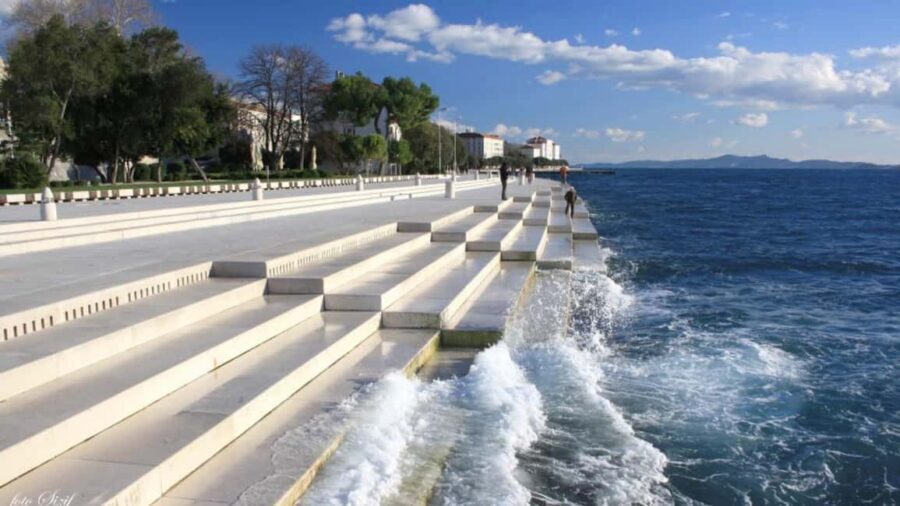
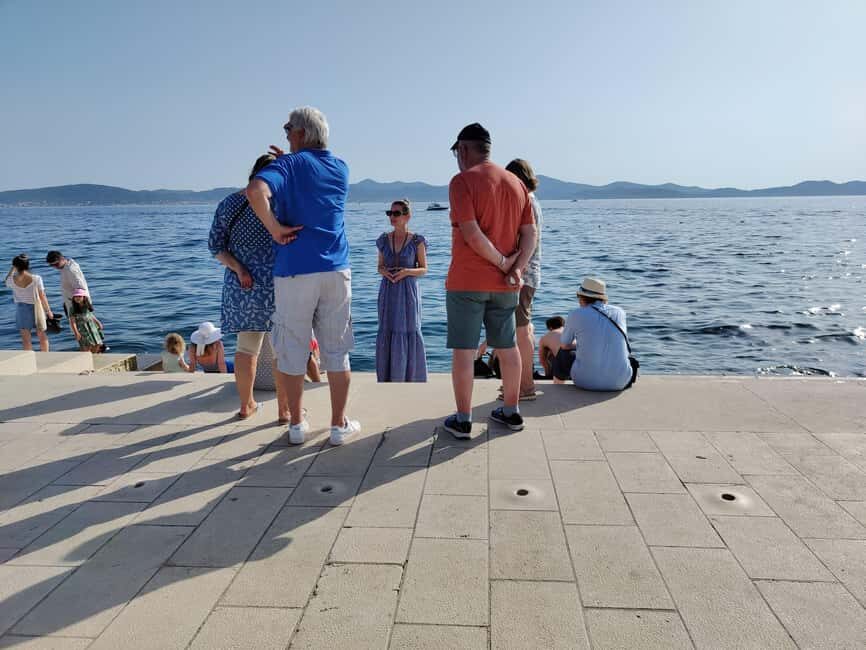
After that, the walk turns toward Zadar’s modern statements in the old town waterfront zone: the Greeting to the Sun and the Sea Organ. These are the installations that help the city avoid being only a museum of the past. The tour’s value here is how your guide connects these modern works to the longer story—how a city layers new meaning onto old space.
I especially like this pairing in one stretch. You go from a classic religious centerpiece to modern art you interact with through the environment. Even if you’re not an art expert, you’ll walk away with a clear explanation of why these installations matter to Zadar’s identity.
Because the tour is only 1.5 hours, you won’t get stuck in one spot. You’ll see the major landmarks and still have time to connect the dots.
Roman Forum and Church of St. Donatus: seeing the layers
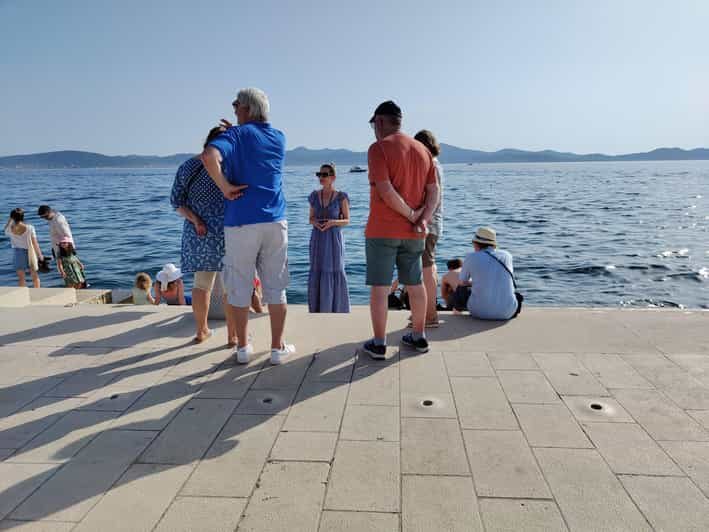
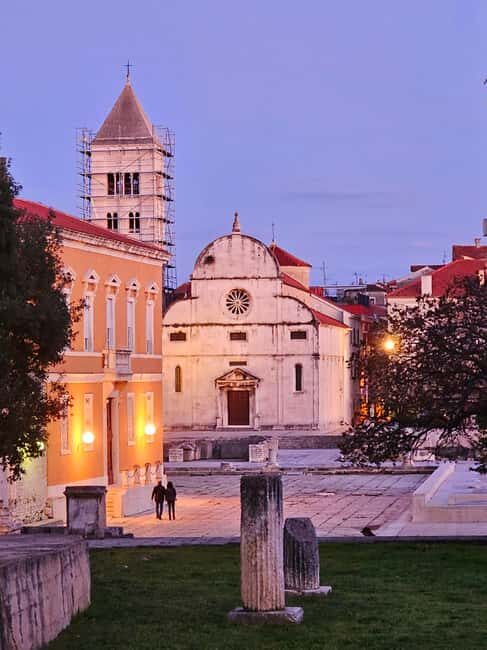
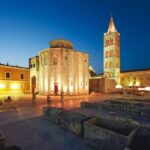
Then you move into the Roman chapter with the Roman Forum, Zadar. It’s a short stop in name, but it helps anchor the earlier “2000 years” promise in something concrete. You’re guided through what the Roman presence means for the old town layout and what you’re seeing today in that context.
After the forum, you’ll visit the Church of St. Donatus. Again, the tour provides guided time around the church, but entry to the church isn’t included. That matters for expectations. Plan your visit based on whether you want to spend extra time inside or keep the tour moving to the squares and streets that follow.
What makes this section work is the rhythm. Roman traces, then a landmark tied to later eras—followed by street-level promenades right after. This is how the city stops feeling like separated eras and starts feeling like one continuous place.
Široka ulica, People’s Square, and the churches and squares around 5 Wells
Once you’ve covered the big “timeline” stops, the walk shifts into the everyday-feeling parts of Zadar: Široka ulica, People’s Square, and the smaller landmarks between them.
Široka ulica is where you start to feel the city as a human-scale space. Instead of only looking at monuments, you’re seeing how movement works between sights—where people naturally pause, where the street energy gathers, and how the old town communicates at ground level.
Then you reach People’s Square, a central point in the route. Squares are useful on tours because they give you a mental reset: you look around, get orientation, and then you’re ready to understand the next turn like you’re reading a map.
You also pass Church of St. Simon and 5 Wells Square. These stops may not be the first things you picture from a distance, but that’s exactly why they’re helpful with a guide. Your explanation turns them into part of a bigger story instead of isolated photo backgrounds.
If you like your tours to feel personal, this is where it shows. One of the strongest themes from guest feedback is attentiveness to interests—so if you want architecture, local lifestyle context, or a slower pace in the squares, you’re in the right part of the route to ask.
Other walking tours we've reviewed in Zadar



Finishing at Land Gate: closing the loop on the old town
The tour wraps up back near the fortification logic with Land Gate. Ending here gives the walk a satisfying shape. You’re no longer just ticking off famous stops—you’re finishing near the points that reflect how the city managed movement and access over centuries.
If you’re the kind of traveler who likes a clean ending, this works. The route has a start that helps you orient, a series of major anchors in the middle, and a finish that ties the layout together.
Also, because it’s only 1.5 hours, you’re not stuck at the end wondering what comes next. You’ll have the rest of your day to pick a café, browse at your own pace, or go back to whichever stop actually grabbed you.
Guide experience in German: what you can ask and how customization helps

This tour is guided in German, and the experience is private. That combination matters. When the guide is fluent and the group is small, you get better answers, quicker follow-ups, and fewer awkward translation gaps.
In the standout feedback, Martina is repeatedly described as informative and very entertaining, with a real “put her heart into it” energy. The practical benefit for you is that it doesn’t feel like a script. It feels like a conversation that happens to follow a route.
You can also shape the tour. The walk can be customized to your wishes and interests. That flexibility is more valuable than it sounds. Maybe you care most about Roman traces, or maybe you want the modern installations explained in a way that makes sense for your taste. With a private guide, you can ask.
One neat detail: a guest mentioned that a request for a Maraschino tasting was handled during the tour. If that’s on your mind, you can bring it up early so it can be worked into the timing.
Price and value for a German private guide in Zadar
The price is $114 per group, up to 10 people, for a 1.5-hour private walk with a German-speaking guide. On paper, that may look like a “group price,” but in practice it’s what makes private guiding realistic.
You’re paying for:
- a local guide who can explain the city’s timeline clearly in German
- a tight route that covers the big landmarks (walls, cathedral and church exteriors, Roman Forum, squares, and the Sea Organ/Greeting to the Sun area)
- the ability to personalize the walk and ask questions
- a one-on-one feel, even if you’re traveling with friends or family
The main value tradeoff is the entrance fees. Since entry to St. Donatus Church and the Cathedral of St. Anastasia isn’t included, plan for that if you want to go inside. If you’re fine with guided exterior viewing plus context, the price-to-time ratio tends to feel strong.
Who should book this tour
This tour is a great fit if:
- you want a fast, organized introduction to Zadar’s highlights
- you prefer a private walk over a large-group bus-and-brochure style
- German language guiding helps you feel comfortable asking questions
- you like modern installations explained alongside older landmarks
- you’re traveling with a small group (price works nicely for up to 10)
It may be less ideal if:
- you only want to visit interiors and dislike anything that requires extra ticket planning for key churches
- you don’t want a walking-style format at all (it’s built as a walking route)
Should you book this Zadar Private Walking Tour in German?
Yes—if your goal is to understand Zadar quickly and you like tours where the guide can answer follow-up questions. This one hits the right balance: a guided sense of 2000 years of change, major city anchors like City Walls, Cathedral of St. Anastasia, Roman Forum, and then the modern signatures at the Sea Organ and Greeting to the Sun.
The biggest reason to book is the private format with a strong German guide vibe (Martina stands out in feedback). The biggest reason to double-check before you go is the one cost detail: entry to St. Donatus Church and the cathedral isn’t included.
If you want Zadar to feel coherent instead of random monuments, this is a smart choice.
FAQ
What is the duration of the Zadar private walking tour in German?
The tour lasts 1.5 hours.
How much does the tour cost?
It costs $114 per group, up to 10 people.
Is this a private tour?
Yes, it’s a private group tour.
What language is the guide?
The tour is guided by a German-speaking guide.
Where does the tour start?
The starting location is Ulica Nova vrata.
Which stops are included?
Key stops include Zadar City Walls, the Cathedral of St. Anastasia, the Greeting to the Sun, the Sea Organ, Roman Forum, St. Donatus Church, Široka ulica, People’s Square, Church of St. Simon, 5 Wells Square, and Land Gate.
Are entry tickets included for the cathedral and St. Donatus Church?
No. Entry to the St. Donatus Church and the Cathedral of St. Anastasia is not included.
Is the tour wheelchair accessible?
Yes, the tour is listed as wheelchair accessible.
Can the route be customized?
Yes, the tour can be customized according to your wishes and interests.
What’s the cancellation policy?
You can cancel up to 24 hours in advance for a full refund.