Zadar hits you fast. One walk can cover Roman ruins, medieval churches, and a food-market tasting without feeling like a museum tour. I love how the route links famous landmarks to lesser-noticed corners you’d normally miss, and I also like the small group size, capped at 10. One thing to consider: it’s a 2-hour walking experience, so wear shoes you trust.
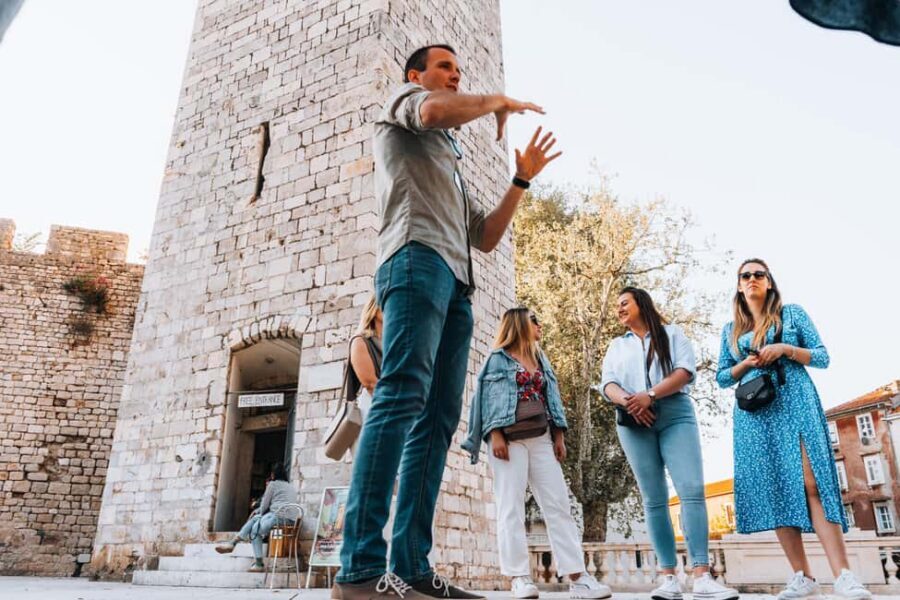
What really makes this tour work is the story-telling. When María explains the city, you get details you’re unlikely to find in quick online searches—like why St. Donatus matters as Zadar’s emblem built in the 9th century. The plan also builds in photo moments at major viewpoints and smaller architectural surprises, so you’re not just moving from sign to sign. A possible drawback: you’ll want to pay attention; the schedule is tight enough that it doesn’t wait around for long detours.
The local tasting is the easy win at the end—simple, practical, and a nice reset after all the stone-and-stories stops. And because you start at the Greeting to the Sun installation and end in Queen Jelena Madijevka Park, the tour gives you a clean loop that’s easy to fit into a day. If you prefer very slow sightseeing with lots of free time, this may feel a bit structured.
In This Review
- Key things that make this tour worth it
- Meeting at Greeting to the Sun: a fast start with a big timeline
- Roman Forum remains and St. Donatus: history you can actually picture
- St. Anastasia bell tower, St. Mary’s convent, and Melia Aniana arch
- St. Chrysogonus romanesque apses and People’s Square: your best photo rhythm
- Zadar food market tasting: the practical reset
- Eastern entrances to the Old Town and the finish at Queen Jelena Park
- Price and value: what you’re really paying for
- Who should book this tour (and who might not)
- Quick practical tips for your day
- Should you book the Zadar Hidden Gems and History Tour?
- FAQ
- Where does the tour start?
- How long is the Zadar tour?
- How big is the group?
- How much does it cost?
- What’s included in the tour?
- What languages are offered?
- Is free cancellation available?
Key things that make this tour worth it

- Meeting at Greeting to the Sun sets the tone: modern landmark first, then 3000 years backward.
- Roman Forum remains + St. Donatus are explained as a timeline, not separate facts.
- Photo stops built into the route include St. Chrysogonus’s romanesque apses.
- St. Mary’s convent and St. Anastasia’s bell tower add context beyond the postcard highlights.
- Zadar food market tasting turns history into something you can actually enjoy.
- An off-map stop near People’s Square adds that extra “wait, where is that?” moment.
Meeting at Greeting to the Sun: a fast start with a big timeline
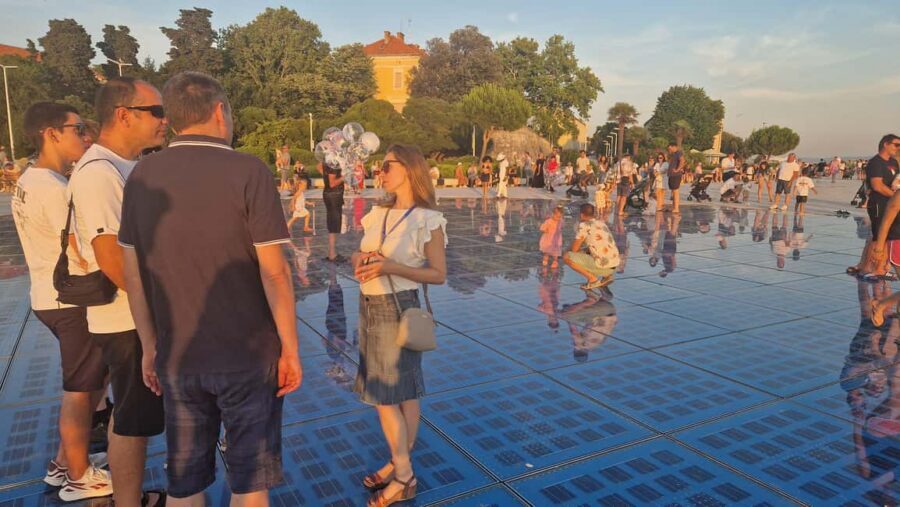
This tour begins at The Greeting to the Sun installation. That matters more than it sounds. You’re starting with something very Zadar—modern and memorable—then your guide steps you into the older layers right away. The tour is designed to follow about 3000 years of history, starting from Roman-era remains and moving through medieval Zadar.
For you, the practical value is pacing. You don’t spend the first hour standing around trying to orient yourself. You also get a clear walking route early, so by the time you reach the city’s older core, you’re already oriented to where you are and what you’re looking at.
It also helps that this is a live guide experience in English and Spanish. The small-group format (10 participants max) makes it easier to ask quick questions rather than just listen while everyone files past.
Other historical tours in Zadar

Roman Forum remains and St. Donatus: history you can actually picture
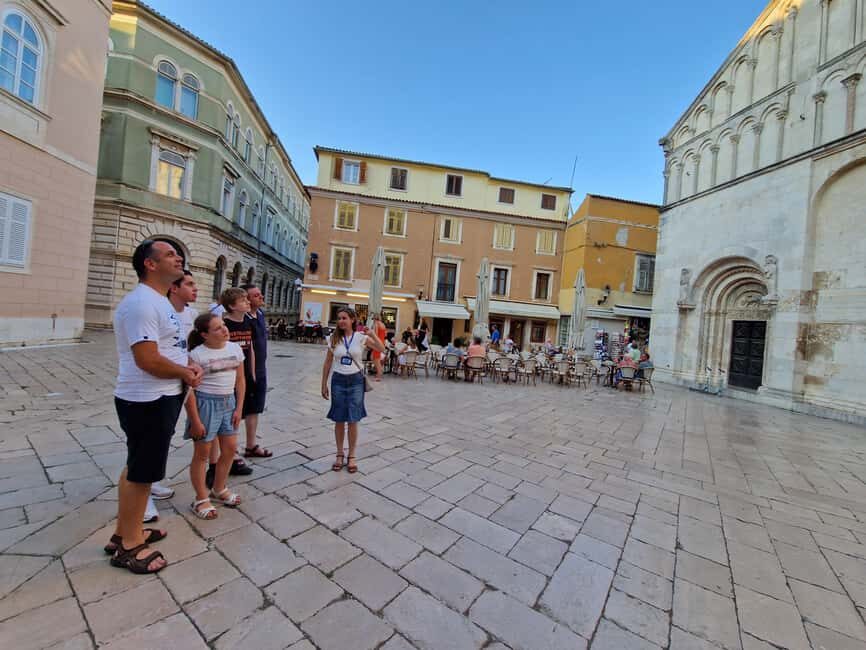
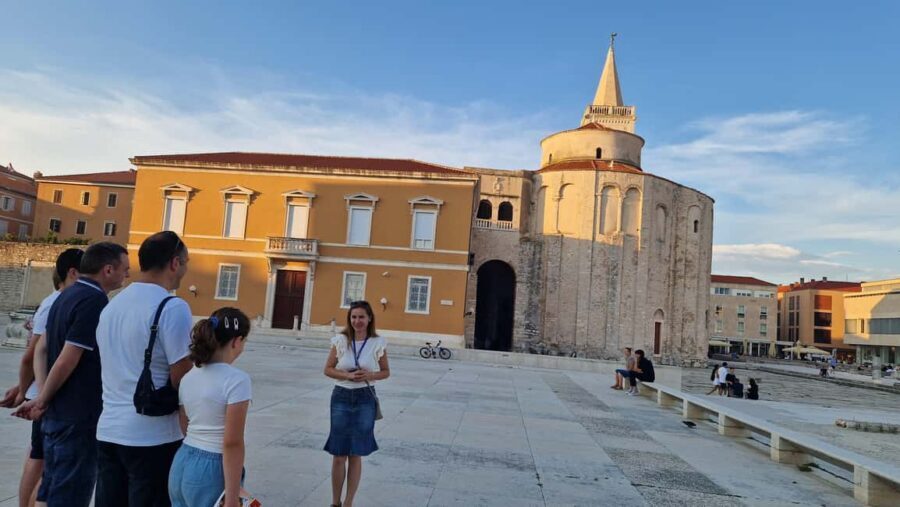
One of the first stops is the remains of the Roman Forum. Seeing ruins is one thing. Understanding what they represent in city life is another. This tour focuses on the story behind the stones—so you’re not guessing what a wall fragment used to do.
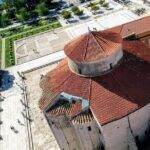
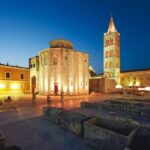
Right after that comes the church of St. Donatus. The big detail to watch for is its role as Zadar’s emblem symbol built in the 9th century. A guide can turn that into something concrete: why a church like this became a defining symbol, not just another stop on a walking route.
I like this part because it keeps your brain engaged. You’re not only learning dates. You’re learning the relationships—how one era sets the stage for the next. If you’ve ever toured cities where everything feels like random “old stuff,” this route avoids that problem by connecting the places with explanations you can follow.
St. Anastasia bell tower, St. Mary’s convent, and Melia Aniana arch
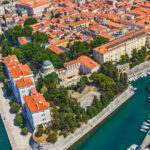
After the Roman and major church anchors, the tour keeps pushing into the fabric of the old town. You pass St. Anastasia bell tower on your way to Melia Aniana arch. These are the kind of sights you can walk by on your own and miss the point—unless someone points out what they mean in the larger story.
Two details are especially useful here. First, the tour includes the importance of St. Mary’s convent nearby, which gives you a sense of religious and community life around these buildings. Second, you don’t just arrive at Melia Aniana arch and move on. You get context so the arch doesn’t feel like a random archway you walked under.
If you’re the type who loves architecture, this section is a good pay-off. You’ll start noticing how different structures signal different periods of influence and local priorities. And if architecture isn’t your main interest, you’ll still benefit because the guide frames each stop as part of how Zadar functioned.
St. Chrysogonus romanesque apses and People’s Square: your best photo rhythm
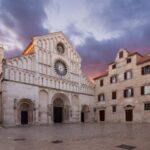
Next you stop for photos of the most beautiful romanesque apses of church of St. Chrysogonus. Apses are one of those architectural elements that can look “nice” without a story. With a guide explaining what you’re seeing, you’ll know what to look for: the form, the style cues, and why romanesque details matter in this part of the Adriatic.
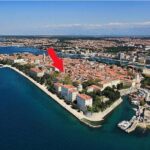
Then the route continues toward People’s Square. This is also where you get a stop described as one of the not-charted on city maps spots. That’s the kind of moment that’s hard to recreate alone, because you don’t know what you’re looking for until someone tells you to look.
For your planning, this means you should keep your camera ready but don’t just shoot and sprint. Take a moment to read the scene as you move through it. That one extra pause is usually where the guide’s story “clicks,” and the architecture becomes more than a backdrop.
Zadar food market tasting: the practical reset
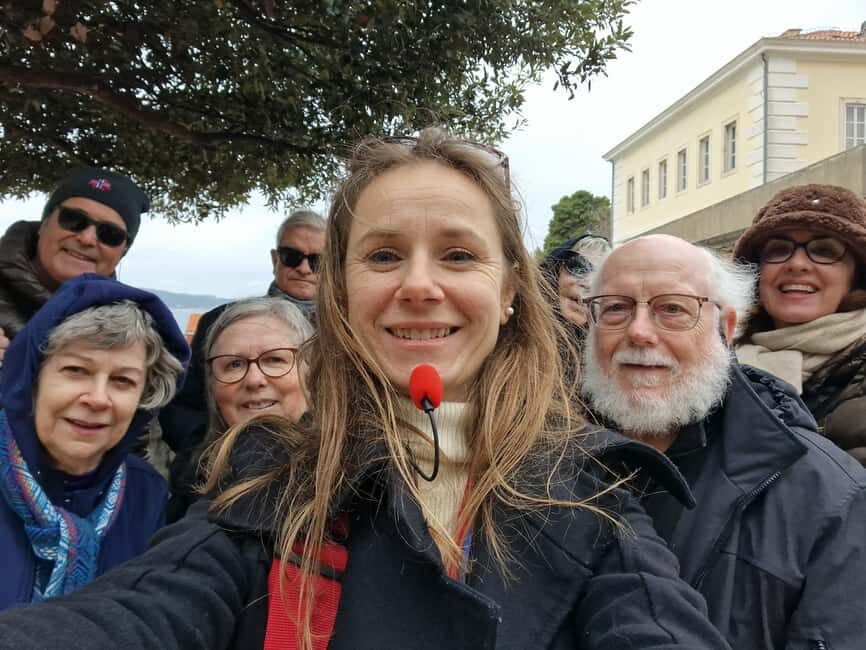
Then comes a well-timed break: Zadar food market. Here you’ll taste some local produce. This is included, and it’s one of the smartest parts of the whole tour.
Why? Because after 2 hours of stone churches, arches, and historical context, food gives you a quick sensory landing. It also helps you remember the place in a different way. A tasting doesn’t replace the history, but it turns the day into something you’ll associate with flavor and place—not just facts.
If you’re trying to decide what to do in Zadar beyond the big sights, this is the difference between a “see it” tour and a “feel it” tour. You leave with the kind of memory that sticks: a taste, a story, and a route you can mentally replay later.






Eastern entrances to the Old Town and the finish at Queen Jelena Park
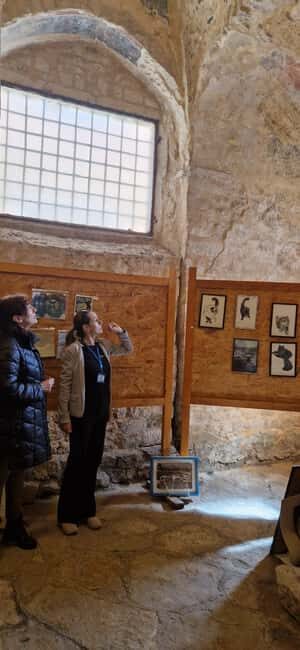
Near the end, the tour shows the remains of three eastern entrances to the Old Town of Zadar. City entrances are useful historical clues. They tell you how the city guarded access, how people moved in, and where the pressure points were. And because there are three entrances, you can compare the remnants instead of treating this as one random stop.
Finally, the tour ends at Queen Jelena Madijevka Park. The payoff here is perspective. You get a place for picturesque photos and an easy final moment to breathe, look around, and decide what you want to do next on your own.
For timing, ending in a park is smart. It gives you a natural “wrap” to the walking loop. You won’t be stuck at a corner where you’re trying to figure out how to get out of the old town.
Price and value: what you’re really paying for
At $29 per person for a 2-hour small-group tour, the headline value is the mix: guided walking + included tasting. Most tours at this price range give you either a guide or a hands-on element. Here you get both, and the history is delivered through a route that includes multiple named landmarks.
The small group matters. With up to 10 participants, you’re more likely to get answers tailored to what you’re noticing. That makes the difference between hearing facts and understanding what to look for next.
Also, think about what you’d pay if you did this yourself. You’d need a guide-style explanation (books or apps won’t always connect the timeline) and you’d still probably want to pause for market snacks. Bundling those two pieces into one guided walk is why $29 can feel fair rather than overpriced.
Who should book this tour (and who might not)
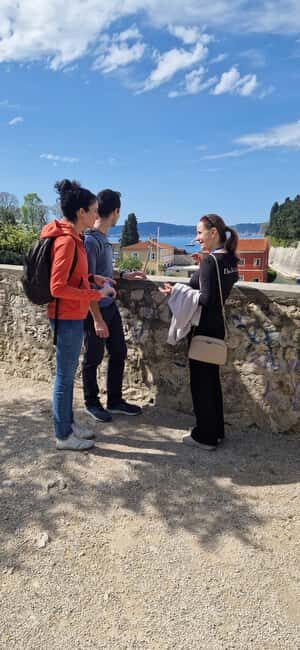
This tour is a great fit if you:
- like walking routes that connect landmarks with story logic
- want named sights like St. Donatus and St. Chrysogonus explained in plain language
- enjoy photo stops that are planned, not accidental
- want a included tasting without hunting for it yourself
You might skip it if you:
- hate structured itineraries and prefer long free wandering
- expect a lot of extra breaks beyond the market stop
- want only the “top postcard hits” with no detours into quieter spots
One more quick tip: because the tour is English and Spanish and runs for 2 hours, it’s best to arrive ready to walk right away. That keeps the pace comfortable and helps you catch all the explanation points.
Quick practical tips for your day
- Start your day with good shoes. It’s a walking tour, and you’ll move between several named sites.
- Bring a camera, but keep time for actually looking. The romanesque apses and the off-map People’s Square moment are the kind of views you’ll want to sit with for a second.
- If you have a strong food interest, consider planning around the market stop so you can enjoy the local produce tasting without needing another big meal immediately after.
Should you book the Zadar Hidden Gems and History Tour?
I’d book it if you want Zadar history explained in a way that stays connected from stop to stop. The combination of St. Donatus, Roman Forum remains, St. Chrysogonus photo moments, and an actual food market tasting makes it feel like a full experience, not just a checklist.
I would pass only if you prefer minimal walking or you want a very free-form tour. Otherwise, this is a smart way to get more from Zadar in just 2 hours, especially thanks to the small group format and the guide’s detail-driven explanations (María in particular stood out in recent Spanish feedback).
FAQ
Where does the tour start?
Meet your guide at The Greeting to the Sun Installation.
How long is the Zadar tour?
The tour lasts 2 hours.
How big is the group?
The group is limited to 10 participants.
How much does it cost?
The price is $29 per person.
What’s included in the tour?
It includes a walking tour and a tasting of local produce.
What languages are offered?
The live tour guide speaks English and Spanish.
Is free cancellation available?
Yes. You can cancel up to 24 hours in advance for a full refund.